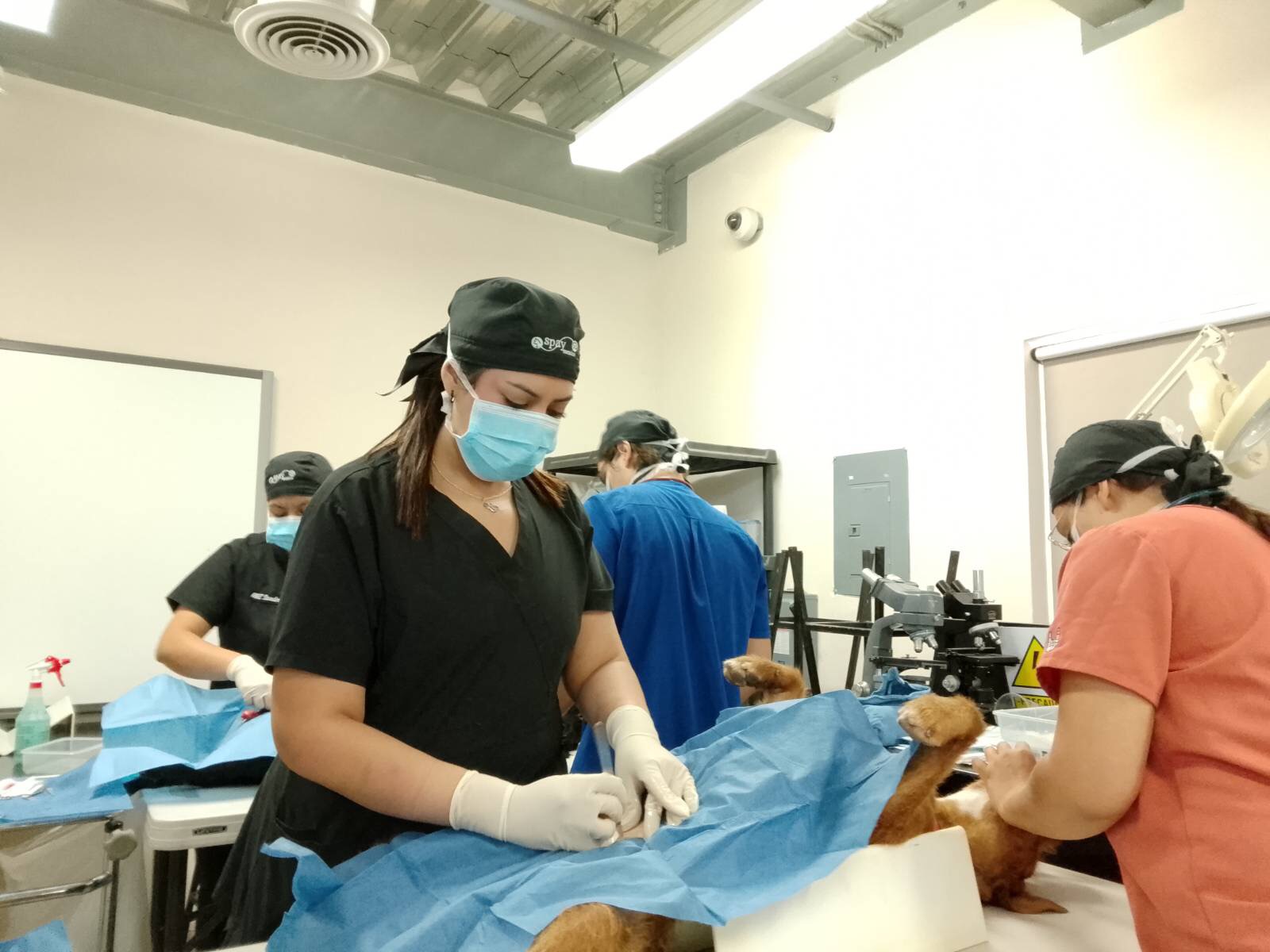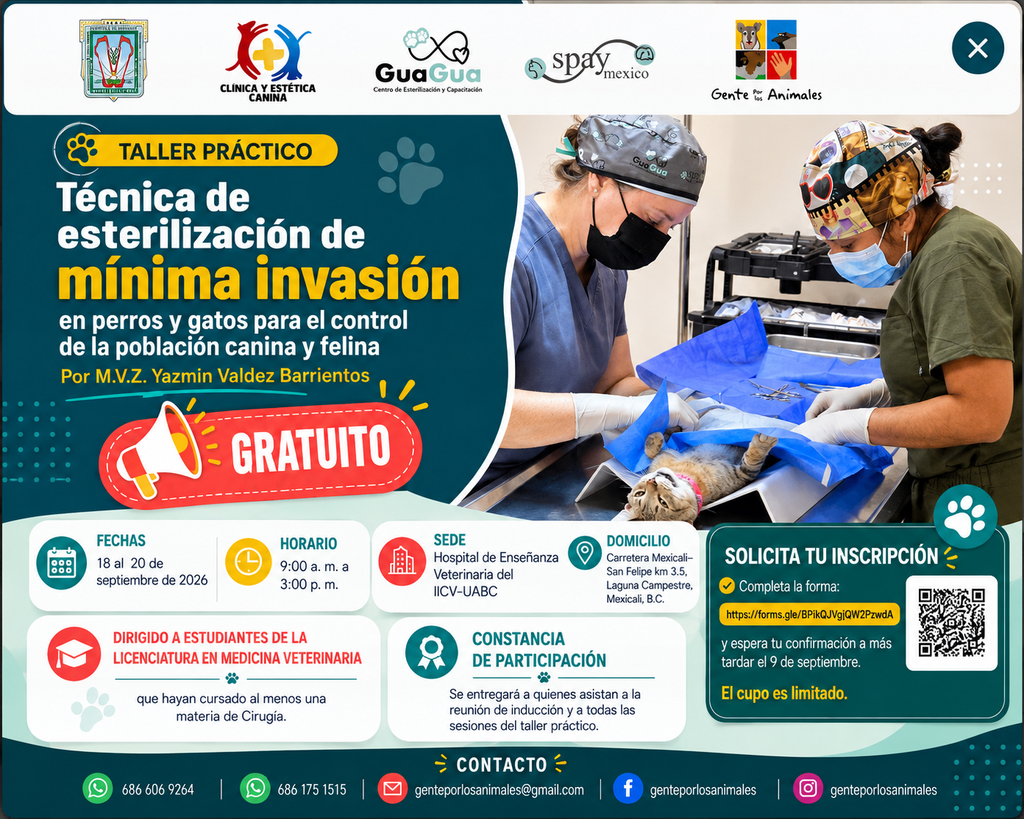
Spaying and neutering dogs and cats are among the most important surgical procedures in preventive veterinary medicine. Beyond preventing reproduction, these procedures help reduce the incidence of reproductive diseases, improve animals’ quality of life, and address the overpopulation that affects millions of dogs and cats worldwide.
For veterinarians and veterinary students, understanding the clinical, epidemiological, and social impact of spaying and neutering is essential. These procedures are a cornerstone of a comprehensive approach to animal welfare, public health, and responsible pet ownership.
At Spay México, we promote training grounded in scientific evidence and High-Quality, High-Volume Spay/Neuter (HQHVSN) protocols, preparing veterinary professionals to implement safe, efficient, and high-impact spay and neuter programs within their communities.
Spaying and Neutering as a Preventive Medicine Strategy
Modern veterinary medicine has increasingly embraced a preventive approach, recognizing that early intervention can reduce the risk of disease and improve long-term animal welfare.
Within this framework, spaying and neutering should not be viewed solely as reproductive procedures. Instead, they are preventive medical interventions that lower the incidence of reproductive disorders while reducing health and behavioral risks associated with reproductive hormones.
Beyond the benefits for individual patients, these procedures also create a broader community impact by supporting the humane management of dog and cat populations, reducing pet abandonment, and strengthening veterinary public health initiatives.
Spaying Female Animals: Clinical and Population Health Benefits
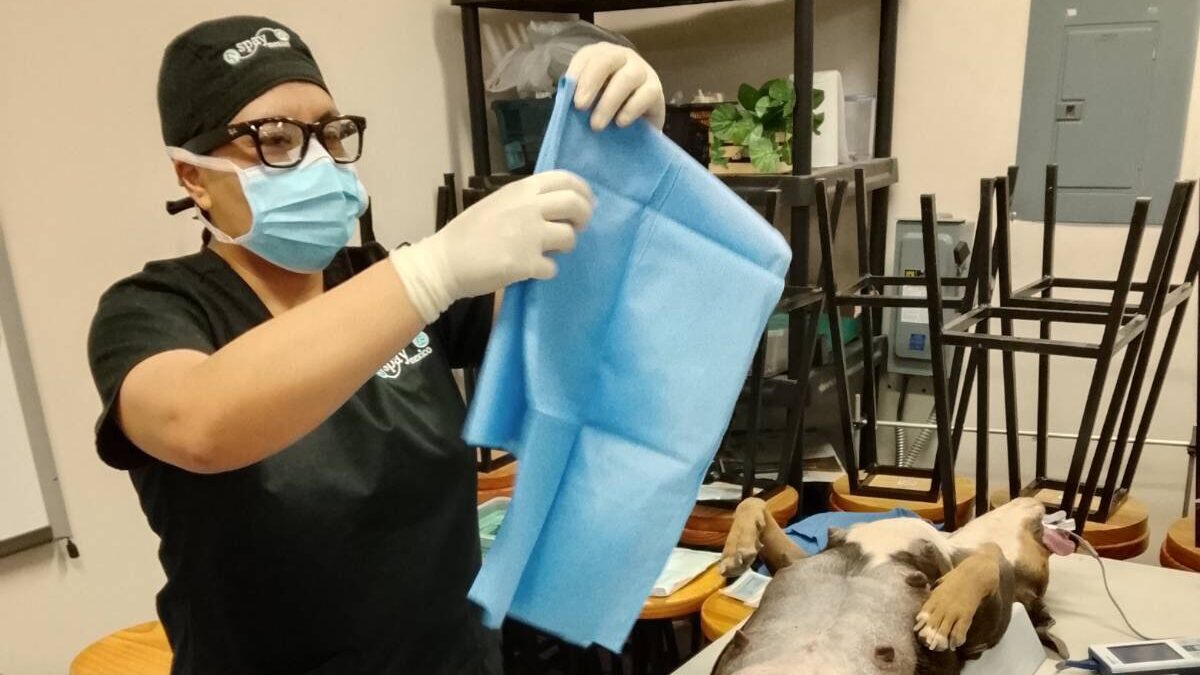
Spaying female dogs and cats involves the surgical removal of the reproductive organs through procedures such as an ovariohysterectomy or an ovariectomy, depending on the clinical protocol being followed.
From a medical perspective, spaying offers numerous health benefits, including:
- Significantly reducing the risk of mammary tumors when performed before the first heat cycle.
- Preventing uterine diseases such as pyometra, one of the most common surgical emergencies in small animal practice.
- Eliminating the risk of ovarian and uterine cancers.
- Preventing unplanned pregnancies and obstetrical complications.
- Reducing the physiological stress associated with the estrous cycle.
From a population health standpoint, spaying females remains one of the most effective strategies for reducing unwanted litters, easing the burden on animal shelters and rescue organizations, and supporting long-term community animal welfare initiatives.
Neutering Male Animals: Improving Health and Behavior
Neutering male dogs and cats through orchiectomy is a widely recommended procedure in preventive veterinary medicine.
Its primary benefits include:
- Eliminating the risk of testicular cancer.
- Reducing the incidence of hormone-related prostate diseases.
- Decreasing urine-marking behavior.
- Reducing roaming behaviors associated with searching for females in heat.
- Lowering the likelihood of fighting and traumatic injuries related to reproductive competition.
It is important to recognize that behavioral changes vary among individual animals and depend on several factors, including the patient’s age, previous learned behaviors, and environmental influences.
Spaying vs. Neutering: Understanding the Difference
Although both procedures are designed to prevent reproduction, they differ anatomically and surgically.
Spaying is performed on female animals and involves the removal of reproductive organs, while neutering refers to the surgical removal of the testicles in male animals.
Despite these differences, both procedures share the same objectives:
- Promote long-term patient health.
- Prevent reproductive diseases.
- Improve animal welfare.
- Support the humane management of dog and cat populations.
The Veterinarian’s Role in Population Management
The overpopulation of dogs and cats remains one of the greatest challenges in community veterinary medicine.
Every year, millions of animals enter shelters or continue living on the streets, where they face disease, malnutrition, injuries, neglect, and uncontrolled reproduction.
In response to this challenge, veterinarians play a vital role by:
- Promoting evidence-based spay and neuter practices.
- Educating pet owners about responsible pet ownership.
- Participating in community outreach and spay/neuter campaigns.
- Implementing safe, standardized surgical protocols.
- Advancing animal welfare through preventive veterinary medicine.
Today, reproductive surgery extends far beyond the operating room—it has become a powerful tool for improving public health, strengthening communities, and enhancing animal welfare.
HQHVSN: A Modern Approach to Spay and Neuter Programs
High-Quality, High-Volume Spay/Neuter (HQHVSN) programs have transformed the way spay and neuter initiatives are carried out around the world.
Their goal is to perform a greater number of procedures without compromising patient safety by relying on standardized protocols, ongoing professional training, and efficient use of resources.
The core principles of HQHVSN include:
- Safe and efficient surgical procedures.
- Standardized anesthesia and pain management protocols.
- Strict biosecurity and infection control measures.
- Reduced surgical time without compromising quality.
- Animal welfare as the highest priority.
Training in HQHVSN protocols enables veterinary professionals to expand access to affordable spay and neuter services while increasing the impact of community-based animal welfare programs.
Continuing Education Strengthens Veterinary Practice
Continuing education is one of the cornerstones of modern veterinary medicine.
Professional training programs provide veterinarians and veterinary students with advanced knowledge and practical skills in reproductive surgery, anesthesia, pain management, biosecurity, and shelter medicine.
Beyond improving clinical outcomes, continuing education empowers veterinary professionals to implement high-quality programs that deliver lasting benefits for both animals and their communities.
Spay México’s Commitment to Veterinary Education
At Spay México, we believe that solving the challenge of animal overpopulation begins with well-trained veterinary professionals.
Our mission is to provide veterinarians and veterinary students with evidence-based education through HQHVSN protocols, preparing them to lead safe, efficient, and accessible spay and neuter programs in their communities.
Every veterinary professional we train expands access to quality surgical care and creates new opportunities to improve the lives of dogs, cats, and the people who care for them.
Conclusion
Spaying and neutering are far more than routine surgical procedures—they are essential tools in preventive veterinary medicine, animal welfare, and public health.
For veterinarians, mastering these techniques represents a commitment not only to the health of each patient but also to building healthier, more responsible communities. Through continuing education, standardized surgical protocols, and participation in high-impact programs, veterinary professionals can make a meaningful contribution to the humane management of dog and cat populations.
At Spay México, we are committed to ensuring that every surgery becomes an opportunity to prevent disease, improve animal welfare, and prepare the next generation of veterinary professionals to lead meaningful change. Together, we can create a future with fewer homeless animals and healthier communities.