Building Practical Skills in Veterinary Sterilization
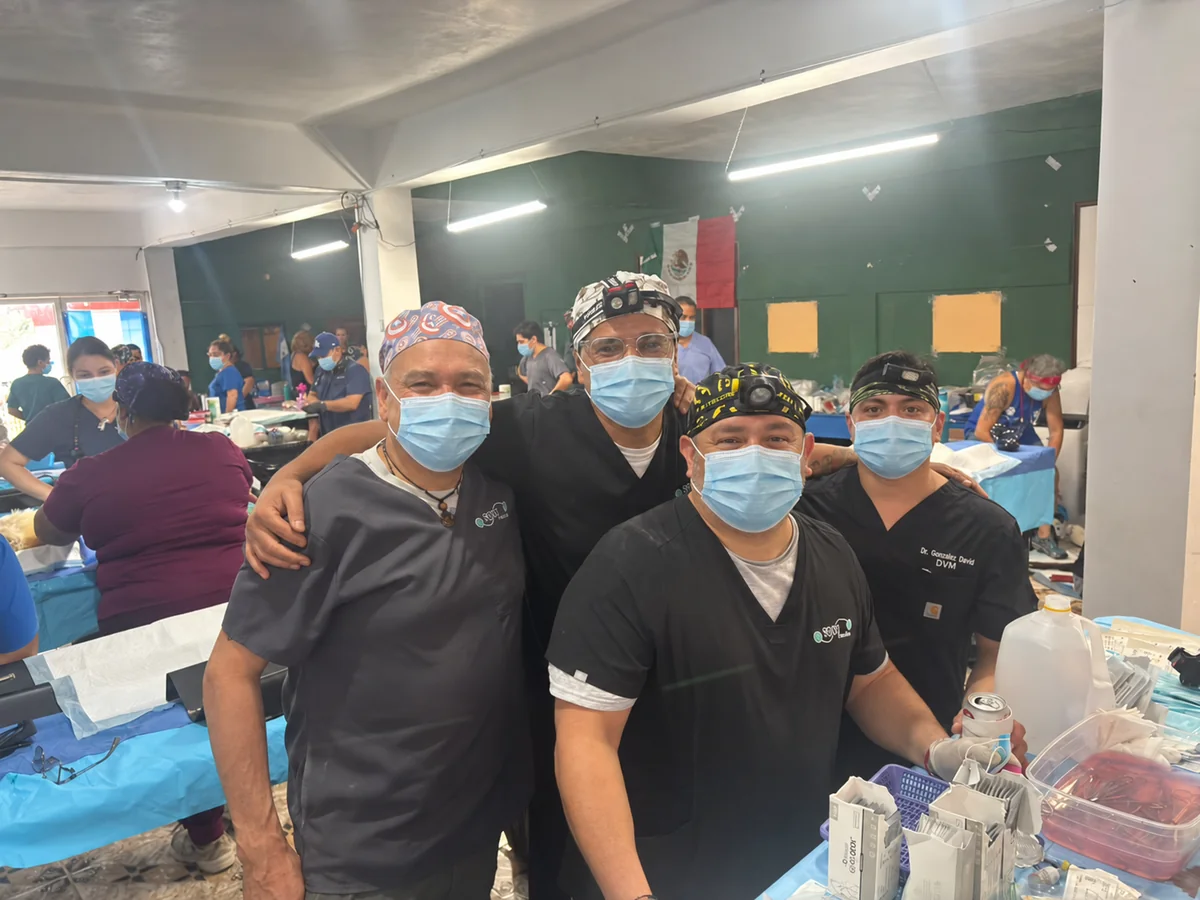
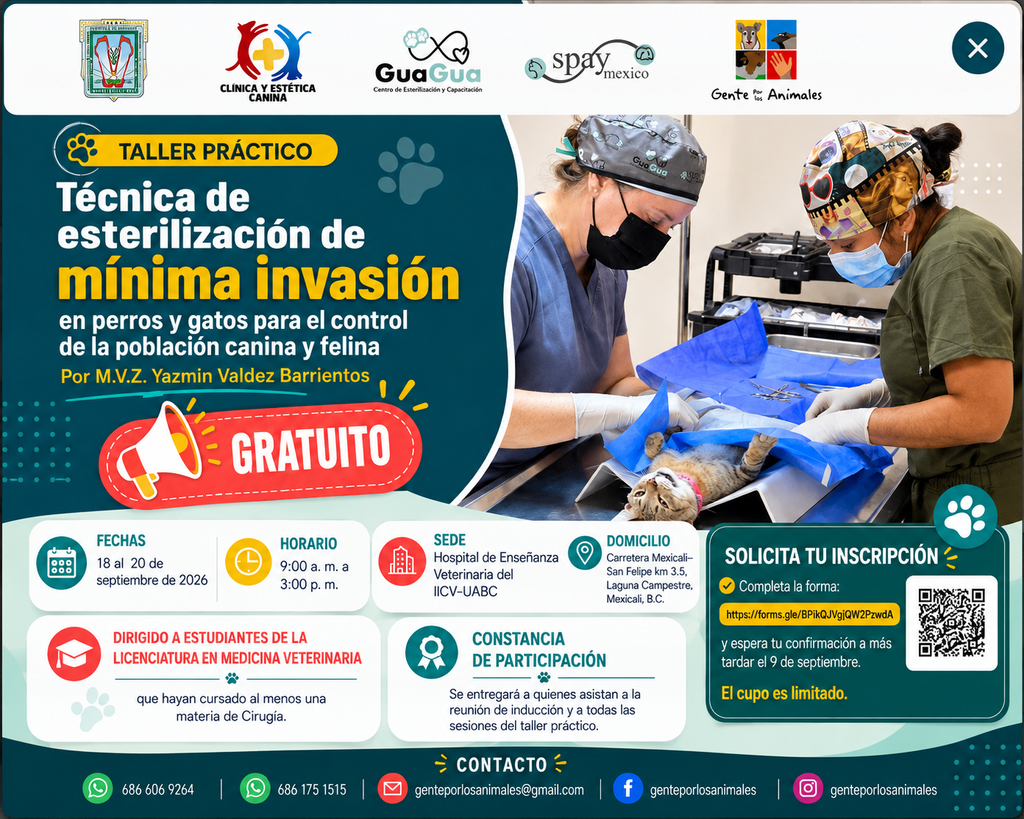
Practical training is an essential part of developing veterinary skills and improving the quality of animal care. In Mexicali, Mexico, an intensive three-day sterilization workshop gave 18 students the opportunity to participate in the different stages of a surgical procedure, from the initial patient assessment to recovery and discharge.
The students were enrolled in the online Una Sola Salud course led by Dr. Blayra. Throughout the workshop, they rotated through three clinical stations, gaining practical exposure to patient preparation, anesthesia, surgery and postoperative care.
Three Days, Three Clinical Stations
To ensure that every participant experienced the complete process, the 18 students were divided into three groups of six. Each group spent a different day at each station, allowing everyone to rotate through all three areas over the course of the workshop.
1. Patient Assessment, Preparation and Anesthesia
At the first station, students participated in the interview with the animal’s caregiver, physical examination and patient preparation. They also gained experience with anesthesia and anesthetic monitoring during the procedure.
2. Surgical Practice
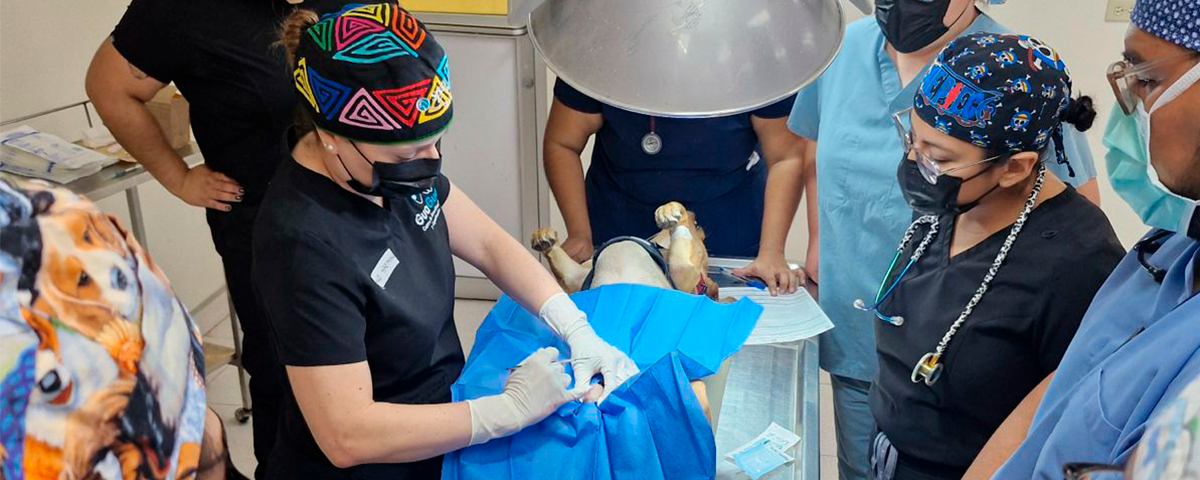
At the surgical station, students performed a surgery alongside the veterinary team or participated in specific parts of the procedure, depending on their individual skills and experience.
This approach allowed participants to engage in practical learning while receiving guidance from the professionals supporting the workshop.
3. Recovery and Discharge
The third station focused on monitoring patients during recovery and returning them to their caregivers. Students participated in explaining postoperative instructions, home care recommendations and the information needed for follow-up.
By rotating through all three stations, participants could understand how each stage contributes to the patient’s care and recovery.
Collaboration in Veterinary Education
The workshop was carried out in collaboration with Gente por los Animales, an association with which the team has worked in Mexicali for many years.
The activity brought students and veterinary professionals together in a practical learning environment focused on sharing knowledge and developing clinical skills.
At the end of the workshop, each student received a surgical hook for ovariohysterectomy (OVH), provided by Spay México as a small gift to mark the completion of the training.
Postoperative Follow-Up and Patient Recovery
The learning process did not end when the workshop concluded. Follow-up continued for the animals sterilized during the activity.
External sutures had been placed to facilitate subsequent examinations. In the days following the workshop, patients returned to the clinic for suture removal and postoperative evaluation.
According to the workshop report, recoveries had been very good at the time the information was recorded.
This follow-up was an important part of the overall process, helping the team assess the patients after surgery and reinforcing the importance of postoperative monitoring.
Continuing to Strengthen Veterinary Skills
The Mexicali workshop combined practical learning, professional guidance and postoperative follow-up in a three-day experience involving 18 students.
The course was sponsored by Spay Global and Spay México, supporting an educational activity focused on veterinary sterilization and hands-on clinical experience.
Through practical training opportunities like this, veterinary professionals and students can continue developing the skills needed to support safe surgical procedures and responsible animal care.
Spay Global supports veterinary education and collaboration that help expand access to animal sterilization and veterinary care.